IJM UK joins with 60+ organisations to call for next government to prioritise tackling modern slavery
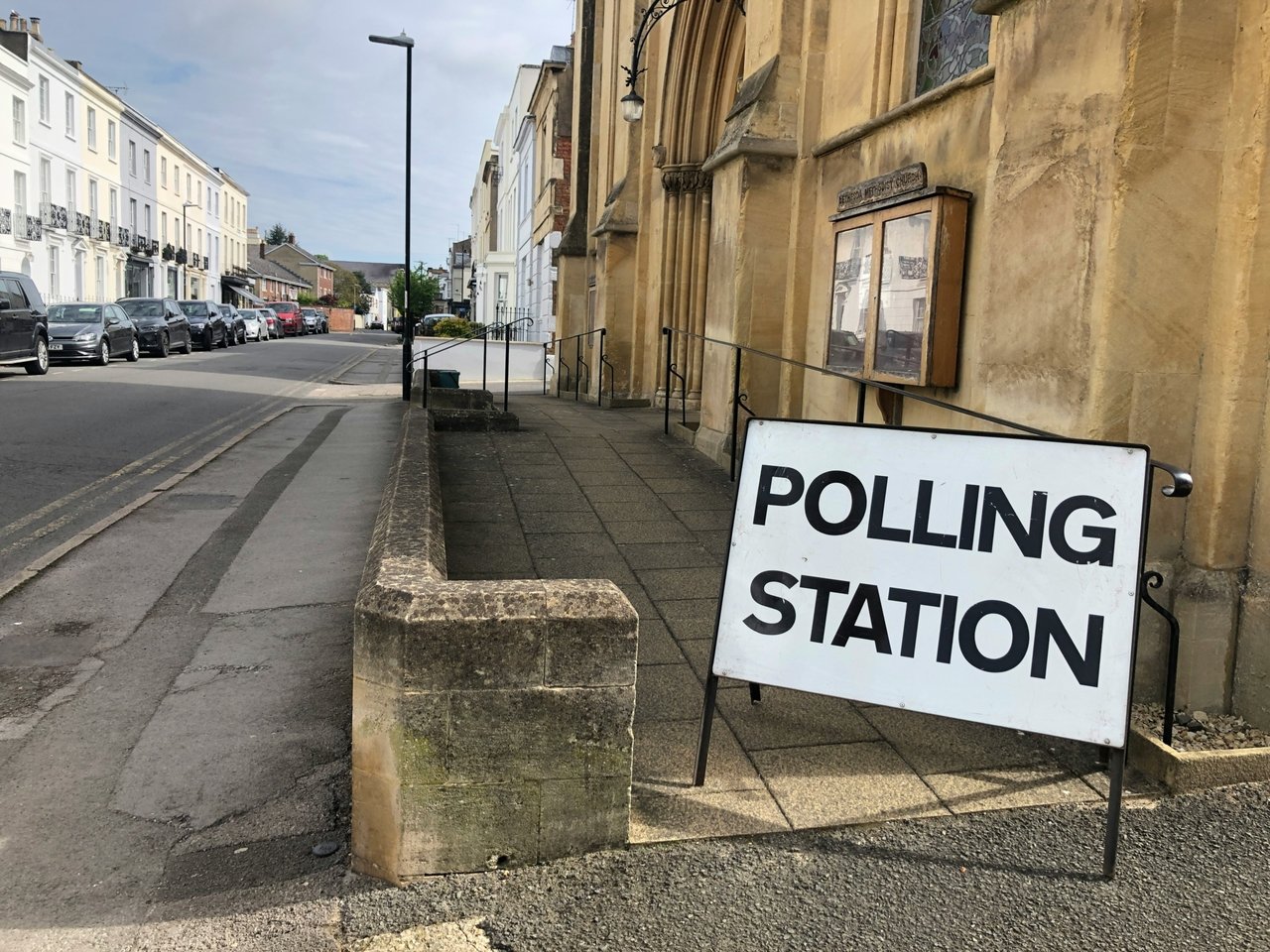
As the UK general election approaches in July, the anti-trafficking sector has come together to call for a renewed commitment to ending trafficking and modern slavery in the UK and beyond.
60+ organisations including IJM UK signed a joint open letter, published in full below, highlighting three key priorities for the future government to take action on:
- prevent modern slavery;
- prioritise sustainable recovery;
- and uphold justice.
Find out how else IJM UK is helping stop trafficking in the UK >>
Joint open letter
In advance of the forthcoming general election, our organisations ask that all political parties express a renewed commitment to tackling modern slavery in the UK and around the world.
Policy makers and those delivering services must prioritise engaging and consulting with communities at risk and survivors in a consistent and meaningful manner. This is essential to ensuring that our collective response meets survivors’ needs and reflects their hopes and sense of justice.
In addition to pledging to tackle modern slavery in election manifestos, we ask that any future government commit to the following principles to guide their anti-slavery strategy.
Prevent modern slavery
Action must be taken across a range of policy areas in order to minimise the risk of modern slavery and human trafficking amongst at-risk communities both in the UK and globally. Hostile immigration policies, the lack of meaningful protection for workers, restrictive visas, inadequate child protection, homelessness and many other intersecting policies create vulnerability to exploitation and abuse. Any future government must therefore commit to adopting a holistic approach to minimise such vulnerabilities.
Prioritise sustainable recovery
In responding to survivors of modern slavery, it is essential that the Government adopt a survivor-centred and human rights-based approach. Recent years have shown that an immigration and law enforcement-led approach to modern slavery is ineffective both for ensuring adequate protection for survivors and for holding traffickers to account. Equally, the conflation of modern slavery with immigration has not only heightened vulnerability to exploitation, it has also undermined survivors’ recovery.
Survivors must be able to realise their rights to support, protection and justice, as contained in international law. This requires that survivors are able to access assistance including financial support, safe accommodation, legal aid advice and representation, long-term independent advocacy and support, compensation, and leave to remain. This requires a cross-government strategy.
Uphold justice
Responsibility must underpin the Government’s anti-slavery strategy. Modern slavery remains a low-risk, high-profit crime: relatively few traffickers are convicted and sentences are lenient. Survivors rarely receive compensation from those who exploit them. Businesses should be held accountable for their responsibility to identify and mitigate forced labour in their operations and supply chains.
We encourage the future government to commit to the vision in which perpetrators are held to account, victims are compensated, and businesses act responsibly.
Signatories (updated 3rd June 2024):
- IJM UK
- Hope for Justice
- The Salvation Army
- Anti Trafficking and Labour Exploitation Unit (ATLEU)
- SOHTIS (Survivors of Human Trafficking in Scotland)
- Anti-Slavery International
- Snowdrop Project
- Hope at Home
- Migrant Help
- Causeway
- Justice and Care
- West London Welcome
- Sophie Hayes Foundation
- Bawso
- Bakhita Centre for Research on Slavery, Exploitation and Abuse, St. Mary’s University
- Focus on Labour Exploitation (FLEX)
- Medaille Trust
- JustRight Scotland
- ECPAT UK (Every Child Protected Against Trafficking)
- Status Now 4 All (SN4A)
- Birmingham Asylum & Refugee Association (BARA)
- Midlands Asylum & Refugee Action Group (MARAG)
- René Cassin, the Jewish voice for human rights.
- Unseen
- Kalayaan
- Latin American Women’s Rights Service (LAWRS)
- Kanlungan Filipino Consortium
- Migrant Health and Care Workers
- Glass Door Homeless Charity
- Anti-Trafficking Monitoring Group (ATMG)
- Immigration Law Practitioners’ Association (ILPA)
- TRIBE Freedom Foundation
- Stolen Dreams
- Youth for Freedom Collective
- Arise Foundation
- The William Gomes Podcast
- Southwark Against Modern Slavery
- Helen Bamber Foundation
- BASNET – UK BME AntiSlavery Network
- AFRUCA Safeguarding Children
- Palm Cove Society
- After Exploitation
- The Voice of Domestic Workers
- Hestia
- Association of Labour Providers
- A21
- Scottish Refugee Council
- The Vavengers
- Invisible Traffick
- Hibiscus
- It’s a Penalty
- Shiva Foundation
- Southeast and East Asian Centre (SEEAC)
- The Anti-Slavery Collective
- Jesuit Refugee Service UK
- Azalea
- Worker Support Centre (WSC)
- Ella’s
- Praxis
- Human Trafficking Foundation
- Voices of Hope
- Blue Bear Freedom
Stock image.