Creating a Safer World, Together
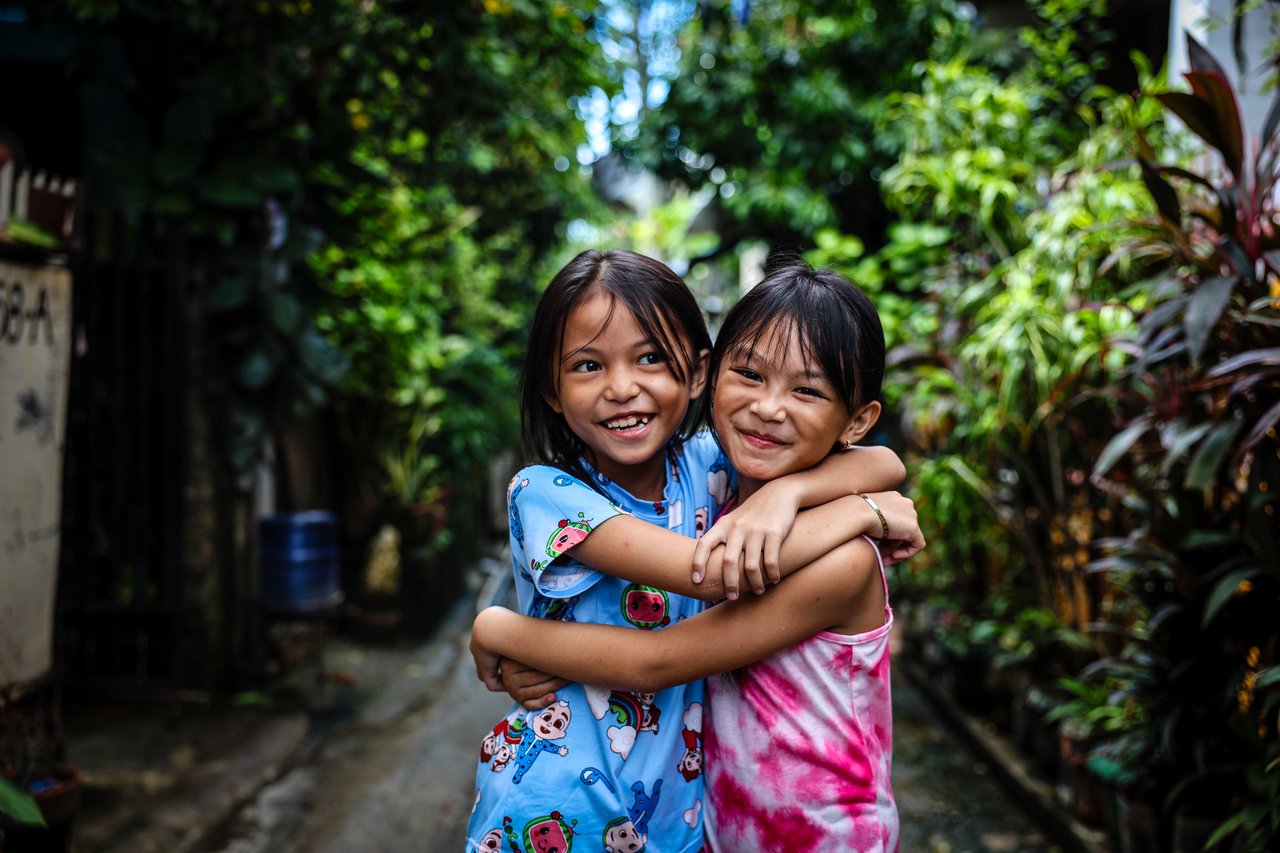
Since 1997, courageous partners worldwide have driven the mission of IJM relentlessly forward. From our first operation to rapid global expansion to protect millions of people from violence, we are closer than ever to creating a world where all are free.
-
Late 1990s — A Vision for Justice
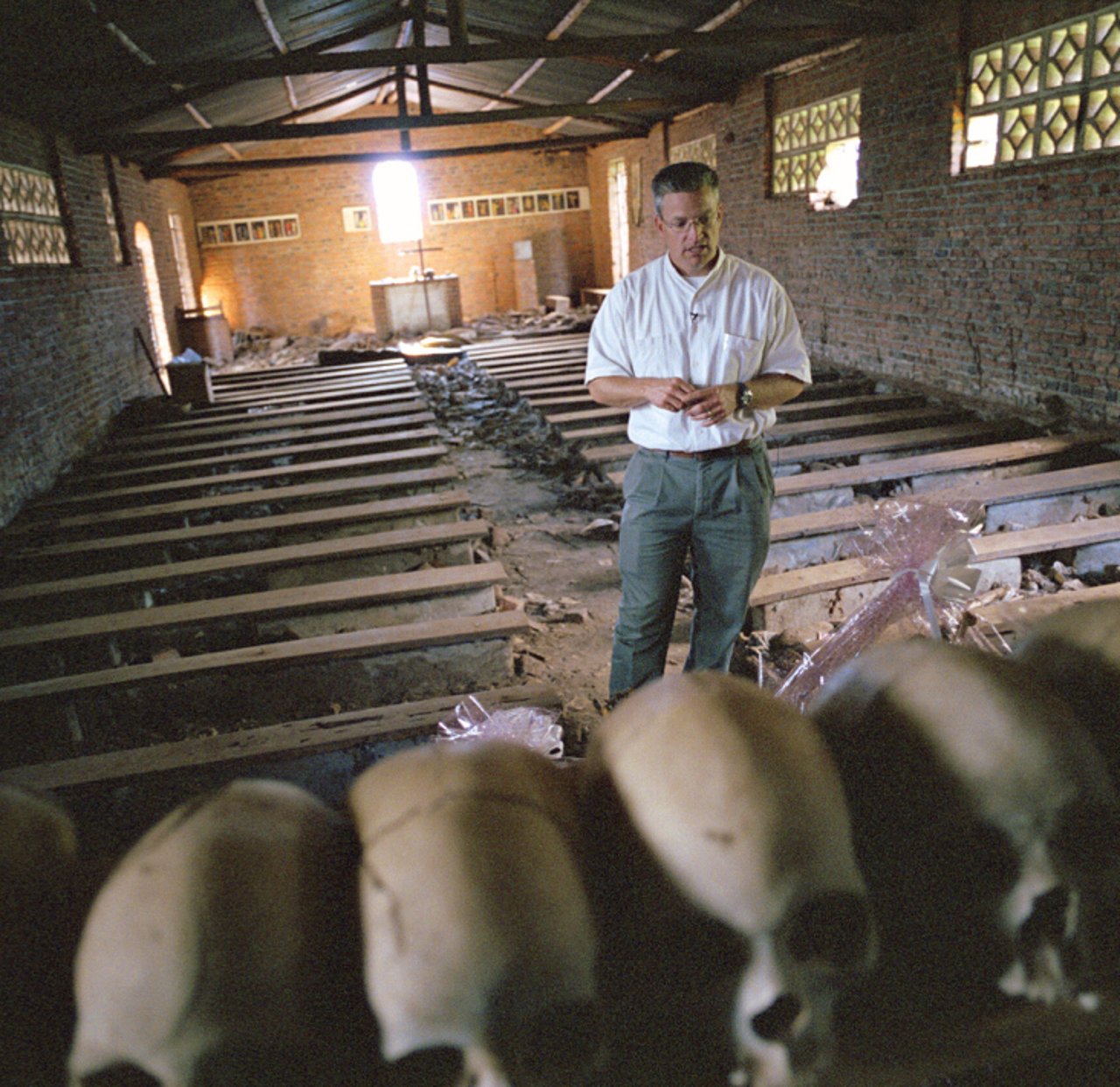
We were told it was impossible.
IJM's founder Gary Haugen was a human rights lawyer with the US Department of Justice when the UN asked him to lead its investigation of the Rwandan genocide. His experience investigating systemic human rights abuses helped him recognise a troubling pattern: people living in the world’s poorest communities also experienced relentless daily violence. Local justice systems weren’t equipped to protect and defend them. Gary was told that this would never change, but he believed otherwise.
-
2000s — Building a Global Movement
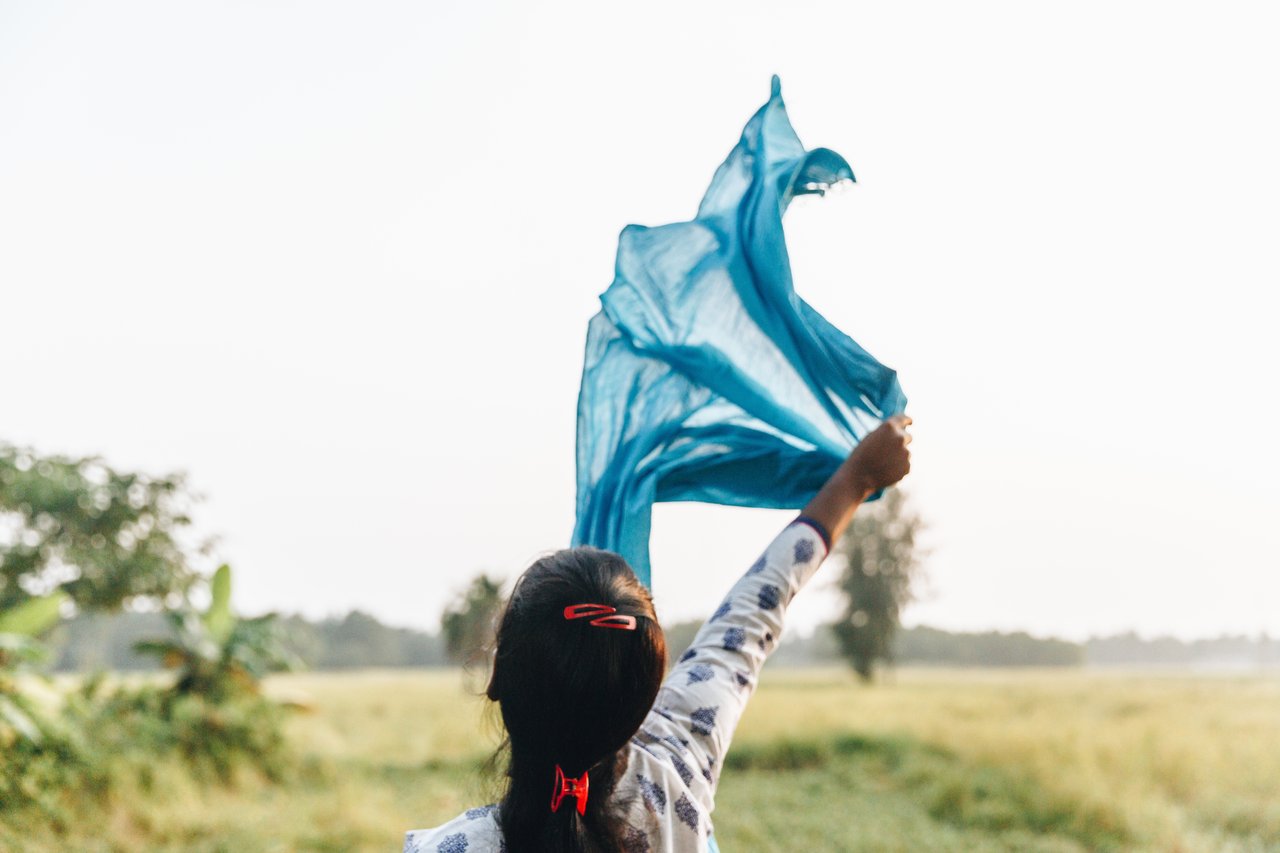
A global movement catches fire.
In its first few years, IJM help bring hundreds of people to safety, and awareness of the global problem of violence and human trafficking spread quickly. Government leaders, churches, community groups, advocates, and local communities everywhere were inspired to join the movement.
-
2010s — Proof of Transformation
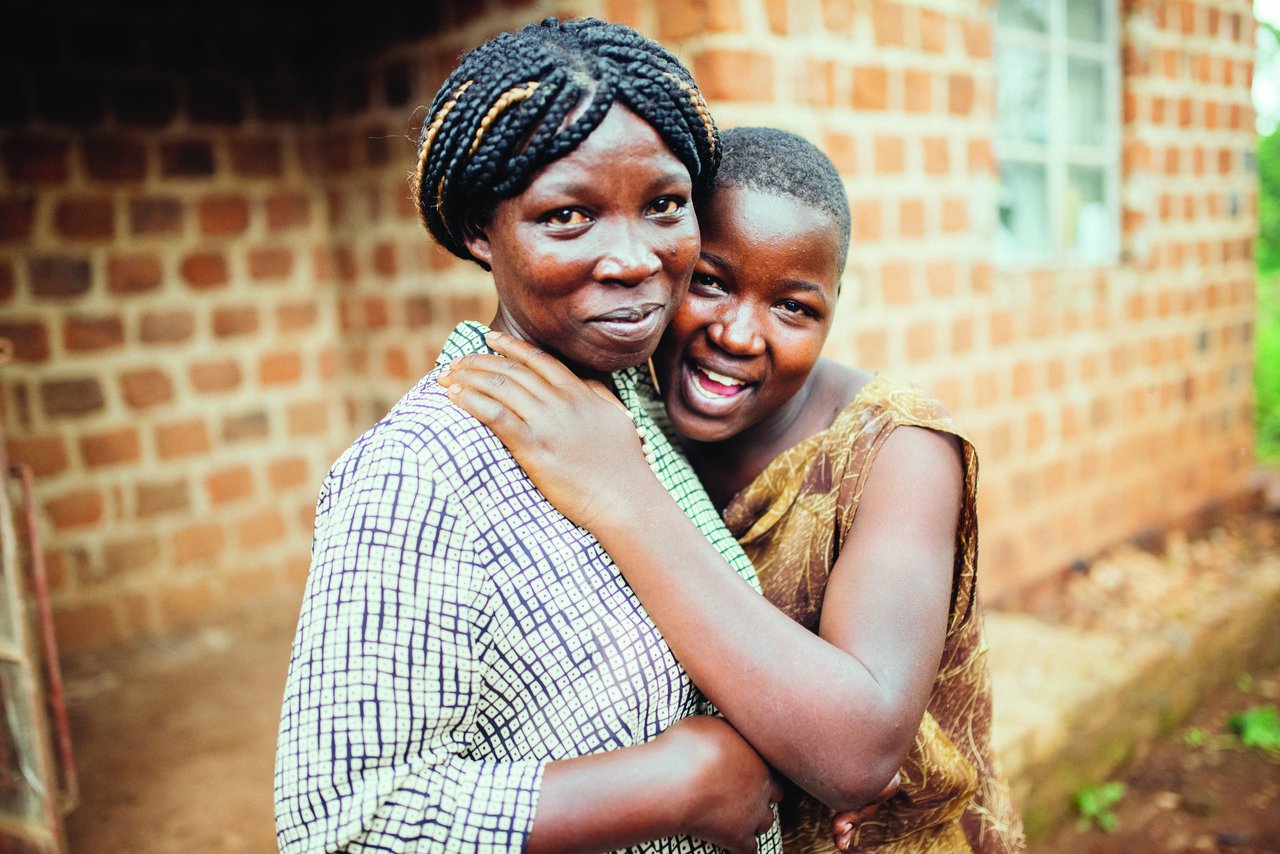
Communities transformed through stronger justice systems.
As IJM and partners continued to bring people in poverty to freedom, more and more perpetrators were arrested and convicted for their crimes. And as accountability grew, crime began to decrease and communities became safer, demonstrating IJM’s protection model at work. As IJM and partners continued to work together to build lasting change, the future of protection began to look clearer every day.
-
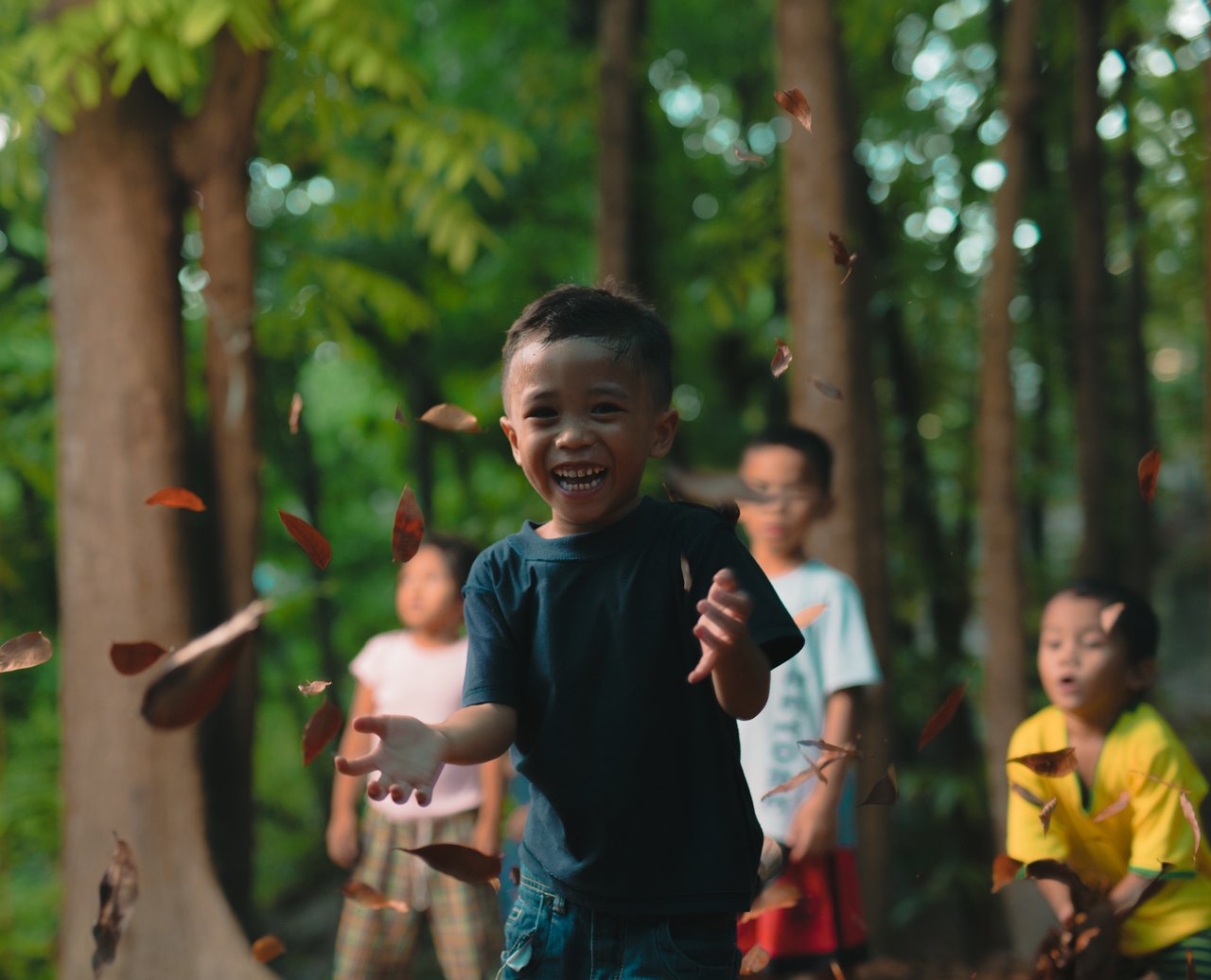
2020s — Scaling Protection for Millions
IJM proves protection for millions is possible.
As justice systems are transformed and millions are protected, a future is fast approaching where half a billion people are protected from the everyday threat of violence. Despite a global pandemic that put millions of people living in poverty at further risk of exploitation, justice proved to be unstoppable. Justice systems continued to strengthen, and local authorities were trained, equipped and empowered to protect their communities.
The People That Make Protection Possible
-

Field Office Staff
-

Legal Professionals
-

Social Workers
-

Local Governments
-

Law Enforcement
-

Advocates
-

Corporations
-

NGOs
-

Grassroots Community Groups
-

Volunteers
-

Survivors
-

and Partners Like You
FOCUS AREAS
WHERE WE WORK
We work to stop slavery and violence. Here are the forms of injustice we currently address and the countries where we work:

-
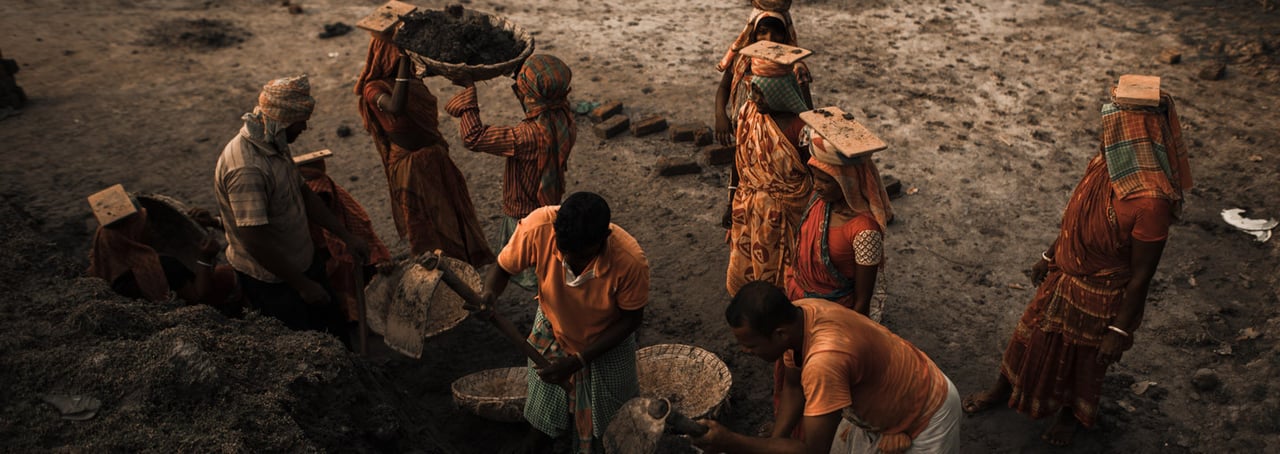
Trafficking & Slavery
Millions of children, women, and men are trapped in modern-day slavery around the world.
-
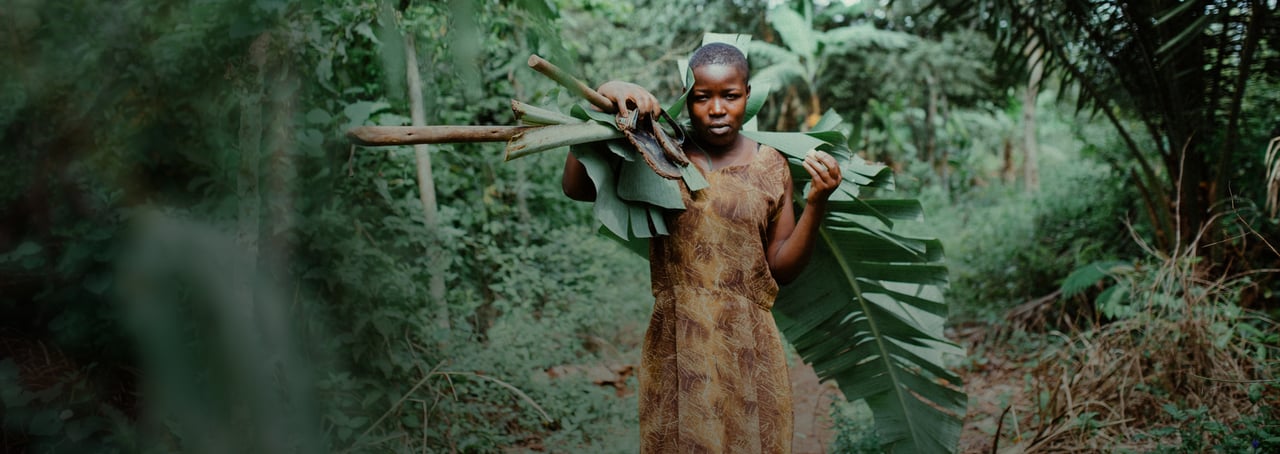
Violence Against Women and Children
Women and children are particularly vulnerable to violence when no laws are enforced to protect them.
-
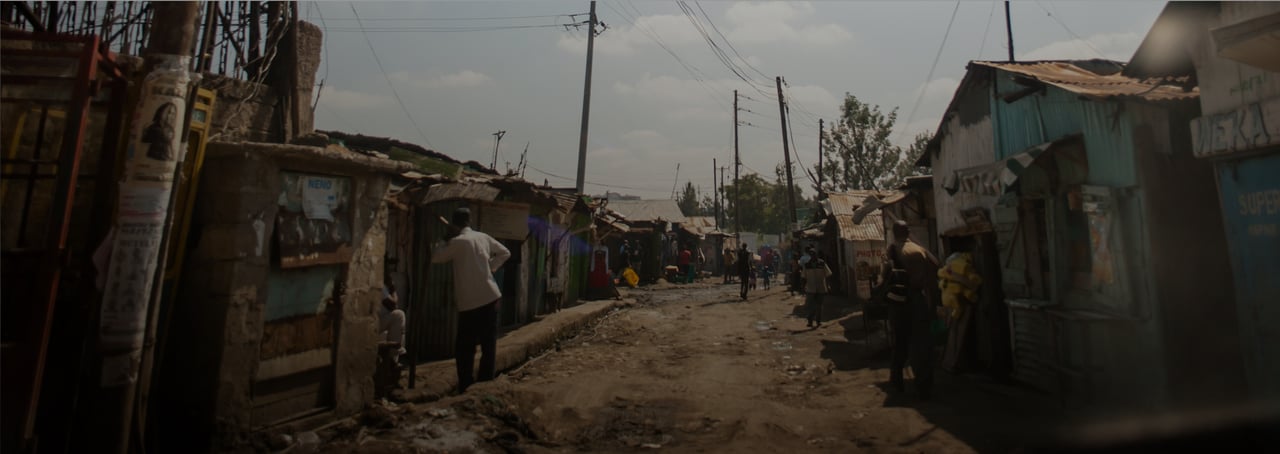
Police Abuse of Power
In many places, police not only fail to protect vulnerable people from violence but perpetuate the cycle of brutality themselves.