IJM celebrates reductions of up to 80% in child sex trafficking in South Asia
Summary:
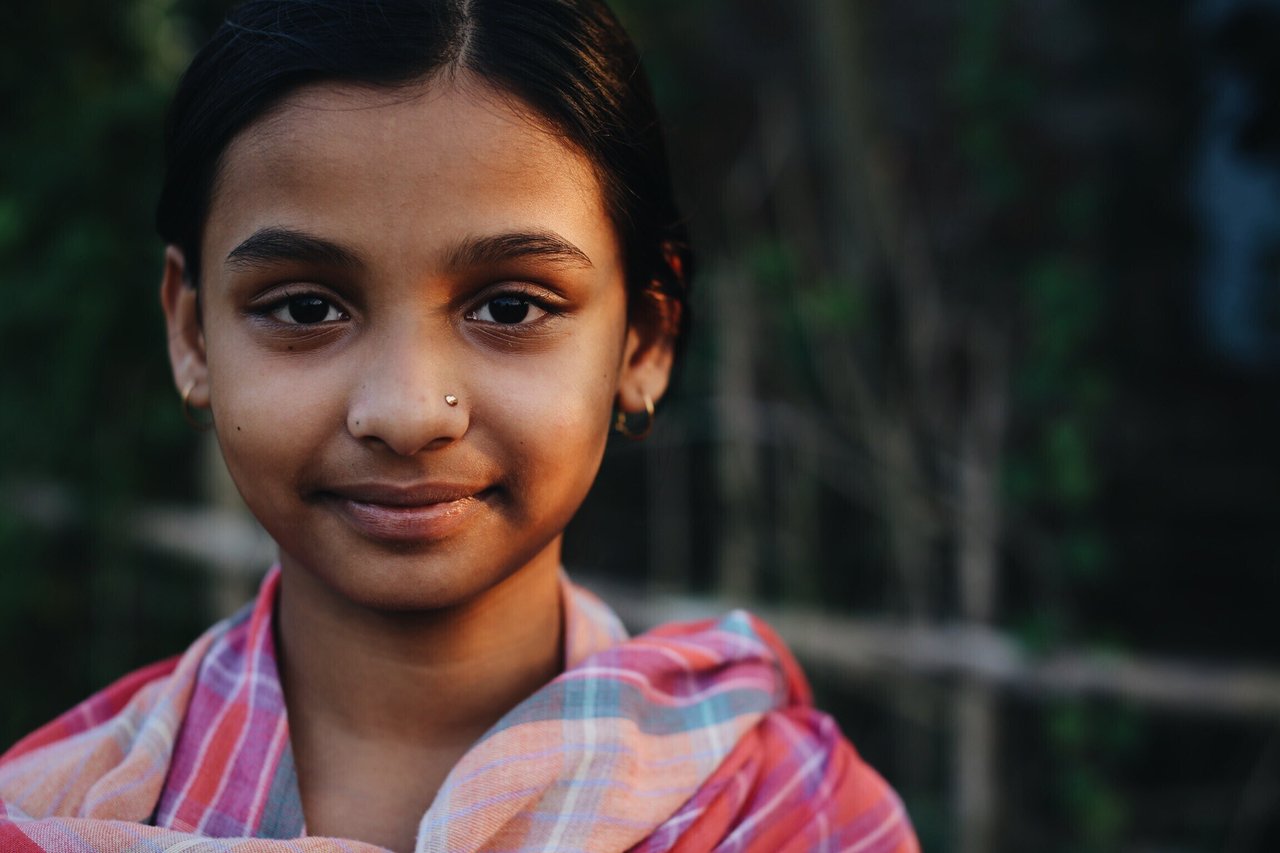
When IJM launched its programme in Kolkata in 2006, tens of thousands of women were trafficked for sex in the region’s nine red-light districts, and local nonprofits estimated as many as 1 in 3 were children.
Victims would be lined up along the streets and exploited in cramped, filthy conditions in brothels, bars, and lodges.
After years of successful, end-to-end collaborative casework with the local police and government, IJM launched a programme to strengthen the government’s response to commercial sexual exploitation and protect millions of vulnerable children.
The results are phenomenal: the government, supported by IJM, saw an 80% reduction in the prevalence of children in brothels and bars between 2016 and 2021.
Research firm KPMG, which partnered with IJM on the evaluation, reported, “IJM, through its interventions, was found to play an important role in facilitating this change in the performance of the public justice system.”
IJM’s team determined the Kolkata programme helped to protect over three million children like Kashi* from commercial sexual exploitation!
Mumbai
The situation in Mumbai was similarly distressing. Tens of thousands of women were sold for sex in the city’s red-light areas, and up to 40% were children (India Central Bureau of Investigations via CNN).
The result of IJM's justice system strengthening programme with the government? The prevalence of children found in public sex establishments dropped from 5.5% to just 1.3% between 2016 and 2022.
This represents a 76.4% reduction in the availability of children for sex in these Mumbai hotspots.
Research firm Human Development Society concluded that IJM’s 20-year programme was highly relevant to the needs of survivors and stakeholders; coherent to the anti-trafficking landscape; effective at enabling change; efficient at managing resources; impactful in creating “transformational” change; sustainable and highly replicable.
IJM’s team determined the Mumbai programme helped to protect over one million children from commercial sexual exploitation.
This is the transformation we’re hoping to see in Bangladesh – where currently an estimated 30,000 children are sold for sex - on the street, in brothels, and even in private homes.
If you’d like to support this critical work in Bangladesh, sign up to become a Freedom Partner now >>
*Pseudonym and stock image.
*If you sign up before 18th October 2025, your monthly gifts will be DOUBLED up to a cumulative total of £7,500, thanks to a generous donor.